
The Art of Reading Your Cat's Body Language
Why Cats Talk With Their Bodies
Cats are one of the most expressive animals on the planet — but they don't use words. Instead, they use their bodies to show how they feel. Their tail, ears, eyes, whiskers, and even the way they choose to sit can tell you exactly what's going on inside their head. Learning to read these signals is like learning a whole new language. And the good news? It's actually really fun once you get the hang of it.
Whether you have a tiny kitten or a full-grown cat, understanding body language helps you build a much stronger bond with your pet. It also helps you know when your cat is happy, scared, bored, or just in the mood for a long nap. The more you pay attention, the better you'll get at it — and your cat will notice.

What Kittens Are Telling You
Kittens are busy little creatures, and they're learning how to communicate just like you once learned to talk. One of the first things to notice is their tail. A kitten with its tail held high is feeling happy and confident. If the tail is puffed up like a bottle brush, the kitten is scared or surprised — and probably wants a little space.
Watch their ears too. Ears pointing straight up mean your kitten is curious and alert, probably noticing a sound from across the room. Ears flattened back against the head mean they're nervous or feeling threatened. And if a kitten rolls over and shows you their belly, that's a big sign of trust. But fair warning — it doesn't always mean they want a belly rub! Some kittens just want you to admire the fluffiness from a safe distance.
Eye contact is another great clue. A slow blink from a kitten means they feel safe and comfortable around you. You can even try slowly blinking back at them — many kittens respond and blink right back. Scientists who study cat behavior say this is basically a little "I love you" in cat language. Try it tonight!
How Adult Cats Communicate Differently
Adult cats have had more time to develop their own personalities, and their style of communication becomes a bit more detailed. A relaxed adult cat will often have half-closed eyes, a loosely curled tail resting gently, and a calm and still body. This is a cat that's completely at peace with the world and doesn't have a single worry on their mind.
One interesting difference from kittens is how adult cats use sound. Kittens meow mostly to talk to their mothers when they're young. Adult cats, however, meow mostly to talk to humans — researchers believe they actually developed this habit just for us! A short, chirpy meow often means "hey there, hello!" A long, stretched-out meow usually means "I'm very hungry" or "why aren't you paying attention to me right now?"
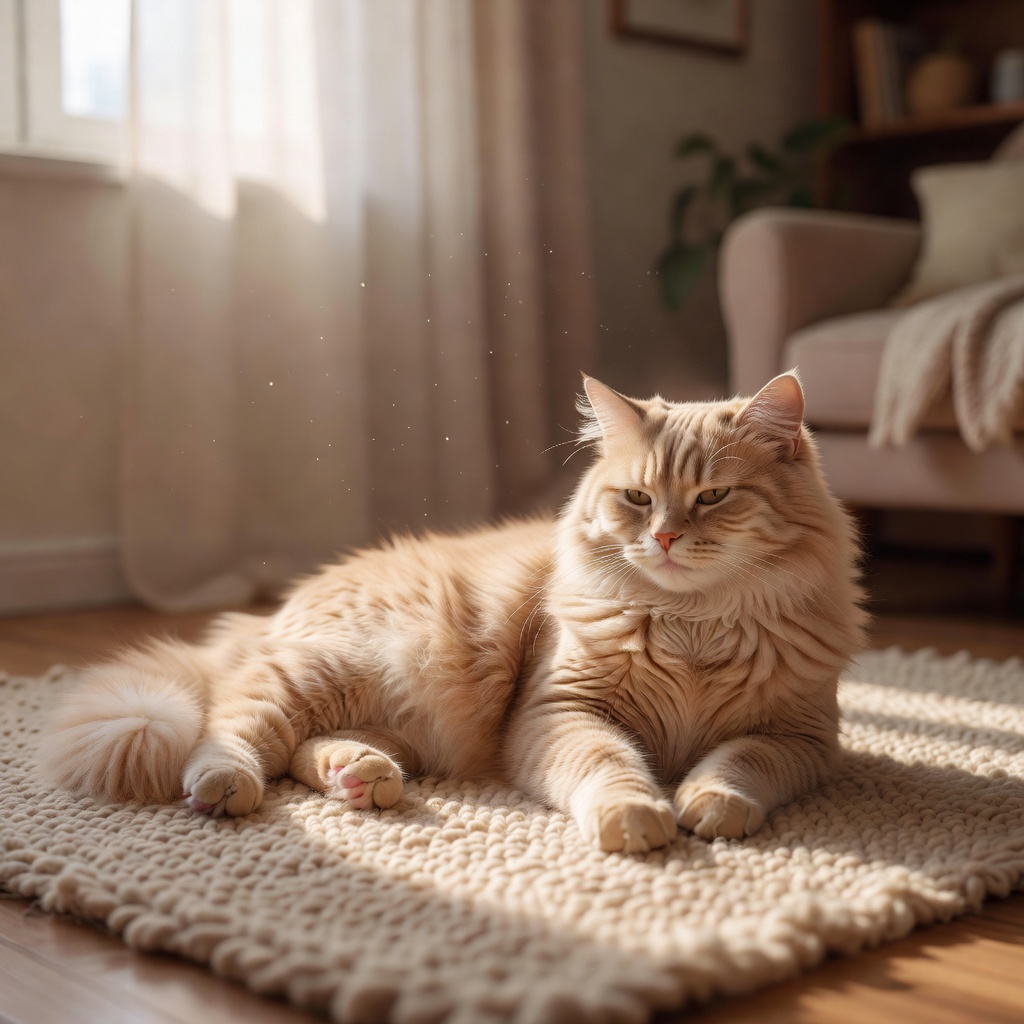
The Tail, Ears, and Eyes: Your Cheat Sheet
Here's a simple way to remember the most important signals your cat sends you every single day. For the tail: held high means happy and friendly. Low or tucked means nervous or unhappy. Puffed up means scared or startled. Slowly swishing means watching something carefully. Lashing fast means annoyed and overstimulated — time to back off and give your cat some breathing room.
For the ears: forward means curious and alert. Flat against the head means upset or scared, possibly about to swat. Ears turned sideways usually means your cat is unsure or mildly irritated about something.
For the eyes: wide open with large dark pupils means excited or startled. Half-closed with a slow blink means fully relaxed and trusting. A hard, unblinking stare means your cat feels challenged — or has spotted something suspicious behind you.
Putting It All Together
Reading your cat's body language gets easier and more natural the more time you spend with them. A twitching tail tip, a small ear flick, a soft slow blink — soon you'll be picking up on all of it without even trying. It starts to feel less like translating and more like just knowing.
The most important thing to remember is that every cat is different. Your cat's version of "I'm happy" might look a little different from your neighbor's cat. Pay close attention to your own cat's patterns, moods, and little quirks, and you'll build a connection that most people never get to experience.
So the next time your cat strolls in, gives you a slow blink, and curls their tail gently as they pass — you'll know exactly what they're saying: "I'm good. I trust you. And I'm still totally in charge here." Classic cat.
Enjoyed this guide?
Explore more practical advice for city cats in our library.