Safety
The City Cat Safety Checklist
City Kitten
6 min read
Living in the city brings unique challenges. From high-rise windows to common apartment plants, here is how to keep your urban feline safe.
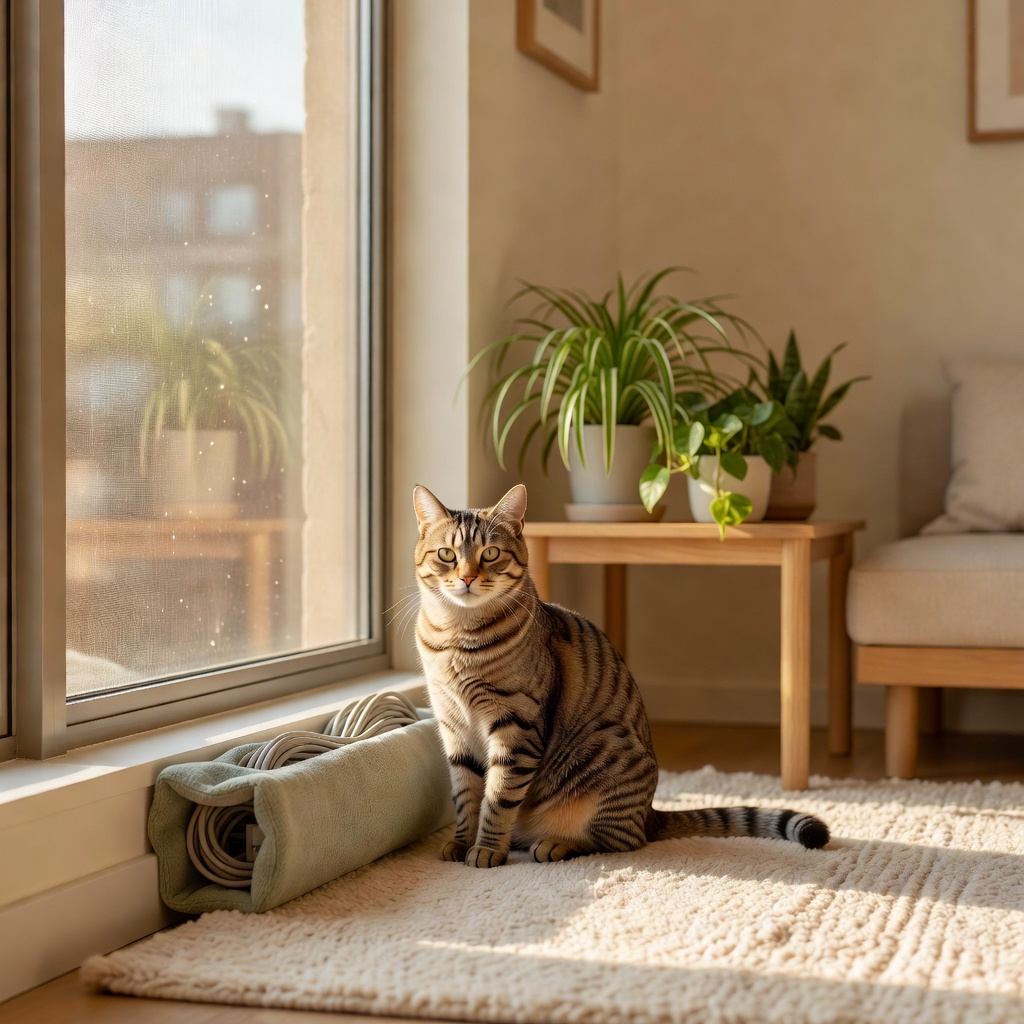
City living is exciting, but for a curious cat, an apartment can be full of hidden hazards. Whether you're on the 20th floor or a garden studio, keeping your space feline-safe is a top priority.
Secure Your Windows
"High-rise syndrome" is a real danger. Cats can fall from open windows when they get distracted by a bird or insect.
- Screens: Ensure all windows have heavy-duty, securely fastened screens. Standard screens can sometimes be pushed out by a determined cat.
- Window Guards: If you like to keep windows wide open, consider adjustable window guards designed for pets.
Toxic Apartment Plants
Many popular indoor plants are dangerous if nibbled. Lilies are particularly deadly—even a small amount of pollen can cause kidney failure.
- Safe: Spider Plants, Boston Ferns, Calathea.
- Avoid: Lilies, Pothos (Devil's Ivy), Snake Plants, and Aloe Vera.
Everyday Household Hazards
The "No-No" List
- String & Tinsel: Floss, rubber bands, and yarn can cause life-threatening intestinal blockages.
- Human Meds: Even common painkillers like Tylenol (Acetaminophen) are toxic to cats.
- Cleaning Products: Store bleach and heavy cleaners in latched cabinets.
What to do in an Emergency
If you suspect your cat has ingested something toxic or has been injured, don't wait for symptoms to appear.
- Contact your local 24-hour emergency veterinarian immediately.
- Have the ASPCA Animal Poison Control Center number saved: (888) 426-4435.
- Keep a sample of the substance or plant your cat may have eaten.
Enjoyed this guide?
Explore more practical advice for city cats in our library.